Navigating Perimenopause: A Rational Guide to Hormonal Transition
The transition starts earlier than most women expect. Here is what the science says about managing it well.

Editorial note
LAKEHAUS Health articles are written for education and clarity. We aim to separate useful evidence from wellness theater, and we update articles when better information becomes available. This content is not medical advice and is not a substitute for care from a qualified clinician.
Perimenopause, the transitional phase leading to menopause, can begin as early as the mid-30s, though most women notice symptoms in their 40s. It lasts an average of four to eight years and involves dramatic fluctuations in estrogen and progesterone that affect virtually every system in the body.
What Is Actually Happening
Contrary to the common narrative that hormones simply decline, perimenopause is characterized by wild fluctuations. Estrogen levels can swing from very high to very low within the same cycle, creating a hormonal environment that is fundamentally different from both the reproductive years and post-menopause.
These fluctuations explain the unpredictability of symptoms: sleep disruption one month, mood changes the next, a period that comes two weeks early followed by one that arrives six weeks late. The variability itself is the hallmark of this phase.
Symptoms Worth Taking Seriously
Beyond the well-known hot flashes and irregular periods, perimenopause can manifest as anxiety that appears out of nowhere, joint pain, brain fog, heart palpitations, and changes in body composition even when diet and exercise remain constant. Many women visit multiple doctors before the hormonal connection is identified.
The HRT Conversation
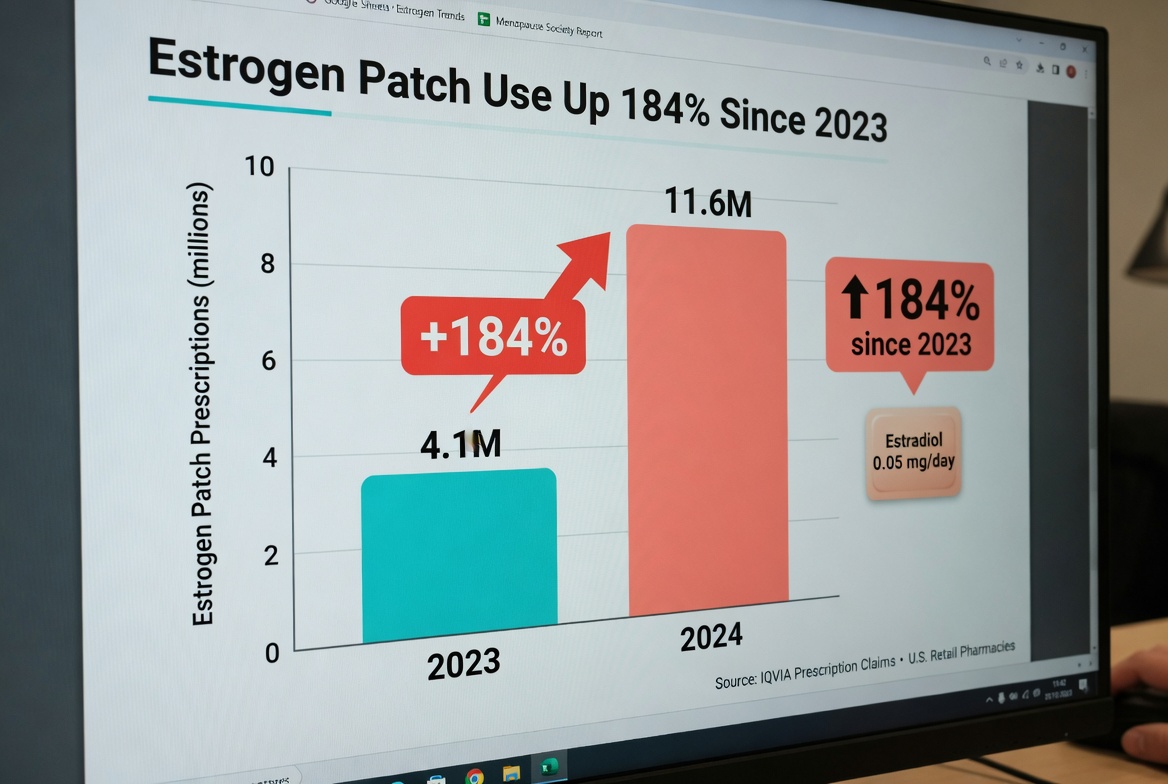
Hormone replacement therapy has been thoroughly rehabilitated since the flawed 2002 WHI study that caused widespread fear. For most women under 60 or within 10 years of menopause, the benefits of HRT, including cardiovascular protection, bone preservation, symptom relief, and potentially reduced dementia risk, significantly outweigh the risks.
The conversation with your healthcare provider should be informed, individualized, and free from both fear-mongering and blind enthusiasm. Transdermal estradiol combined with micronized progesterone is currently considered the most favorable formulation from a safety perspective.
Perimenopause is not a problem to endure. It is a transition to navigate with intelligence, self-compassion, and good information.

Written by
The LAKEHAUS Team
Editorial Team
The editorial team at LAKEHAUS Health combines backgrounds in nutrition science, exercise physiology, and health journalism. We are committed to evidence-informed, accessible wellness guidance for women navigating midlife and beyond.